
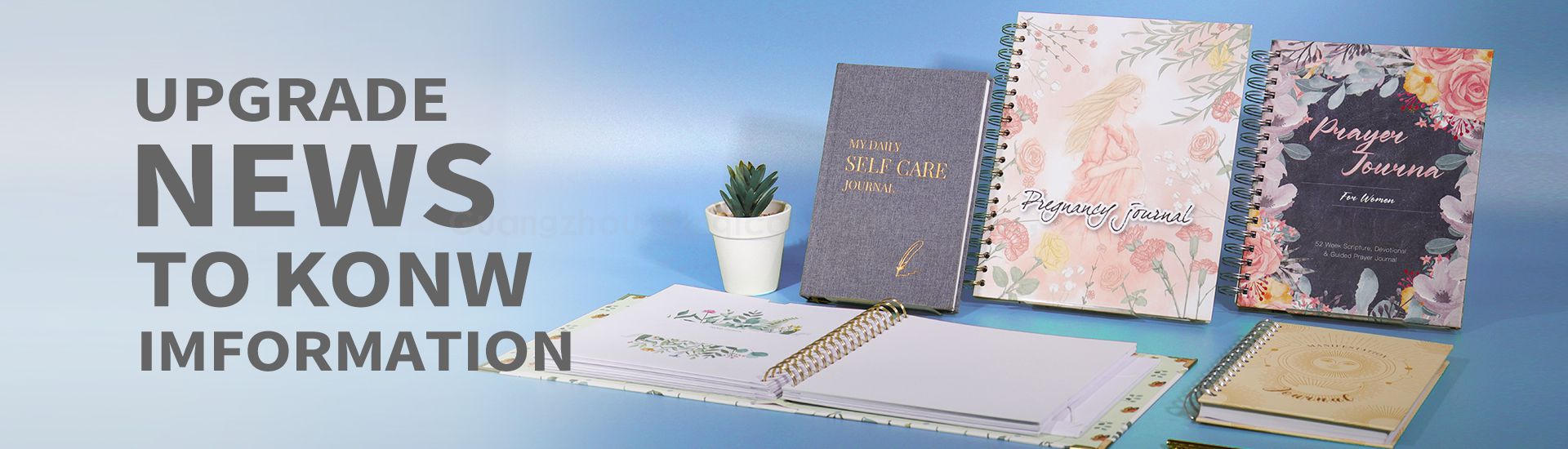
Choosing between a hardcover and softcover notebook is an important decision for stationery brands, retailers, Amazon sellers, and promotional product buyers. The cover affects not only the notebook’s appearance, but also durability, shipping weight, production cost, and how customers perceive the product.
For B2B buyers planning a custom notebook order, the right choice should be based on the product’s target market, intended use, selling price, and order quantity.
Hardcover vs Softcover: What Is the Difference?
A hardcover notebook uses a rigid board structure that is usually wrapped with printed paper, textured paper, PU, fabric, or other cover materials. It provides a firm structure and a more substantial feel.
A softcover notebookuses flexible cover stock, often combined with matte or gloss lamination. It is lighter, thinner, and generally easier to handle and ship in large quantities.
The interior paper, page layout, size, and many finishing options can be customized independently of the cover type. This gives brands flexibility when developing different notebook collections.
When Should You Choose a Hardcover Notebook?
Hardcover notebooks are often considered for products where presentation, durability, and perceived value are important.
They can be suitable for:
Premium journals and planners
Corporate and executive gifts
Retail stationery collections
Subscription and gift boxes
Long-term daily-use notebooks
Premium private-label products
Hardcover construction also provides a strong surface for customization. Depending on the cover material, brands can add foil stamping, debossing, embossing, spot UV, printed artwork, ribbon bookmarks, elastic bands, and other details.
For products positioned at a higher retail price, these options can help create a more distinctive product experience.
When Is Softcover a Better Fit?
Softcover notebooks are generally more lightweight and flexible, making them practical for high-volume products and applications where portability matters.
They can work well for:
Promotional notebooks
Event and conference giveaways
Educational products
Everyday writing notebooks
Large-volume retail orders
Lightweight planner collections
Because softcover uses less rigid material, it can also reduce product weight and packaging volume. For B2B buyers shipping large quantities, this may be an important factor when calculating total landed cost.
Key Factors for B2B Buyers
Before requesting a quotation, consider more than the cover type.
1. Target market: Is the notebook designed as a premium gift, retail product, promotional item, or everyday stationery?
2. Order quantity: Compare unit pricing at different quantities rather than evaluating the cover cost alone.
3. Shipping requirements: Hardcover notebooks are generally heavier and more rigid, while softcover products can be easier to pack and transport.
4. Branding requirements: Consider whether your design needs foil stamping, debossing, special textures, lamination, or other finishing techniques.
5. Product positioning: Your cover choice should match your target retail price and overall product collection.
How to Choose the Right Notebook Cover
There is no universal answer for every B2B notebook project. A hardcover may fit a premium journal or gift set, while a softcover may make more sense for a lightweight retail notebook or high-volume promotional order.
The best approach is to compare the cover material, binding, paper, finishing, quantity, packaging, and shipping requirements together before placing an order.
If you are developing a custom notebook, planner, or journal collection, requesting samples before mass production can help you evaluate the actual cover thickness, texture, printing quality, and finishing effect.
With the right specifications, both hardcover and softcover notebooks can become practical products for your brand and target market.