
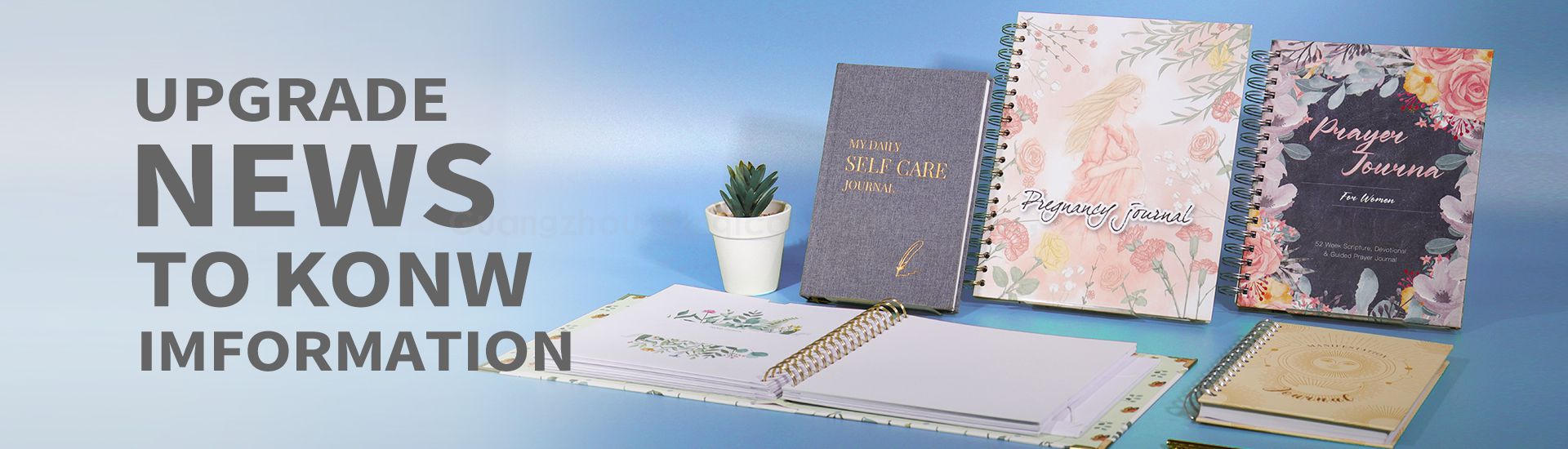
Ordering a custom notebook sample is an important step before starting mass production. For B2B buyers, a sample is more than a product preview—it is an opportunity to confirm whether the manufacturer can deliver the exact quality, design, and specifications your business requires.
Before approving a custom notebook sample, here are the key details you should check.
1. Check the Overall Size and Structure
Start with the basic specifications. Measure the notebook size and compare it with your approved design or purchase requirements. Check the page count, cover thickness, binding structure, and overall weight.
Small differences may become more noticeable when hundreds or thousands of notebooks are produced, so it is better to confirm these details before mass production.
2. Inspect the Cover and Printing Quality
The cover is often the first thing customers notice. Check whether the printed colors match your artwork and whether the logo, text, and patterns are positioned correctly.
If your notebook uses special finishes such as foil stamping, debossing, embossing, spot UV, or soft-touch lamination, inspect the effect carefully. The finish should match your approved sample and design expectations.
3. Review the Paper Quality
Paper affects both the appearance and usability of a notebook. Check the paper color, thickness, smoothness, and opacity.
If the notebook is designed for writing, test it with commonly used pens or markers. Check for ink bleeding, show-through, or excessive feathering. This is especially important for journals, planners, and premium notebooks.
4. Test the Binding and Opening
The binding should be checked through actual use rather than visual inspection alone.
Open and close the notebook several times. For spiral notebooks, check whether the coils are secure and aligned. For hardcover notebooks, inspect the spine, endpapers, and connection between the cover and inner pages.
A notebook should open smoothly without loose pages or obvious structural problems.
5. Compare the Sample With Your Approved Artwork
Keep your final artwork, specifications, and sample together for comparison. Check the cover design, colors, logo placement, page layout, accessories, and packaging.
If anything is different from the approved specification, ask the manufacturer to clarify whether the difference is intentional before approving production.
6. Confirm Packaging and Shipping Requirements
For B2B orders, the notebook itself is not the only thing that matters. Check the individual packaging, carton packing, labeling, and shipping requirements.
If your products are going to an Amazon warehouse or fulfillment center, confirm that the manufacturer can follow the required labeling and packing instructions.
7. Record Final Specifications Before Production
Once the sample meets your requirements, make sure the final specifications are clearly confirmed in writing. This can include notebook size, paper, binding, cover material, printing, finishing, accessories, packaging, and quantity.
A detailed specification record helps both the buyer and manufacturer maintain consistency during mass production.
Final Thoughts
A custom notebook sample gives B2B buyers a practical opportunity to identify problems before placing a large order. Checking the structure, printing, paper, binding, finishing, packaging, and final specifications can reduce production risks and help ensure the finished notebooks match your expectations.
For brands, Amazon sellers, and stationery businesses, a well-checked sample is an important step toward reliable mass production.