
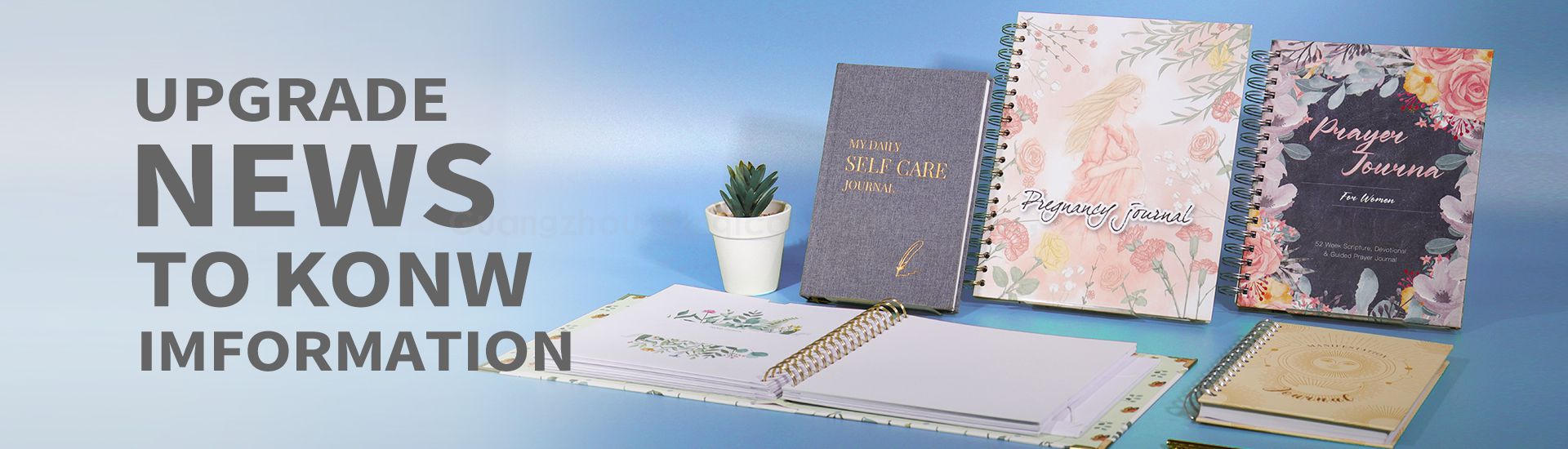
When creating custom notebooks, the cover finish can have a major impact on how the final product looks and feels. Two popular options for premium notebook branding are foil stamping and debossing. Both can create a professional, high-end appearance, but they produce very different visual and tactile effects.
For B2B buyers, the right choice depends on your brand style, cover material, artwork, target market, and overall product positioning.
What Is Foil Stamping?
Foil stamping uses heat, pressure, and a custom die to transfer a thin layer of foil onto the notebook cover. Gold, silver, copper, rose gold, and other foil colors can be used to create a reflective or colored logo and design.
The biggest advantage of foil stamping is visual impact. A metallic logo can immediately attract attention, making it suitable for premium journals, corporate gifts, promotional notebooks, and retail stationery collections.
Foil stamping works particularly well when you want the logo to stand out against a dark or solid-color cover. It can also be combined with debossing to create a more layered effect.
What Is Debossing?
Debossing creates a recessed logo by pressing a custom die into the notebook cover. Unlike foil stamping, blind debossing does not add another color or metallic layer. Instead, the design is created through depth and texture.
This makes debossing a popular choice for brands that prefer minimalist and understated branding. It works especially well with PU, leather-style, and other suitable cover materials that can hold a clear impression.
For premium planners, journals, and business notebooks, a simple debossed logo can communicate quality without making the product look overly promotional.
Foil Stamping vs Debossing: Key Differences
| Feature | Foil Stamping | Debossing |
|---|---|---|
| Visual effect | Metallic or colored | Recessed, textured |
| Brand impression | Premium and eye-catching | Minimal and sophisticated |
| Best for | Logos, titles, decorative details | Simple logos and minimalist branding |
| Tactile effect | Usually subtle | Stronger recessed texture |
| Color options | Gold, silver, copper, colored foil, etc. | Usually the original cover color |
| Ideal products | Gift sets, premium journals, retail notebooks | Executive notebooks, planners, premium journals |
The choice is not simply about which finish is “better.” Each technique supports a different product strategy.
How Should B2B Buyers Choose?
Start with your brand positioning.
If you are developing a premium gift set and want the notebook to create an immediate visual impression, foil stamping can help your product stand out.
If your brand focuses on minimalist design, professional stationery, or understated luxury, debossing may be a better fit.
Next, consider your cover material and artwork. Fine details and complex artwork may require adjustments, while simple logos generally work well with both techniques. The texture of the cover can also affect how clearly a debossed logo appears, so checking a physical sample before mass production is important.
Can You Combine Foil Stamping and Debossing?
Yes. For some custom notebook projects, combining the two techniques can create a distinctive premium effect. For example, a brand logo can be debossed into the cover and finished with gold foil, giving the design both visual contrast and tactile depth.
For B2B buyers launching a new notebook collection, it is worth discussing the combination with your manufacturer during the sampling stage. The final result depends on the cover material, artwork, logo size, and production specifications.
Make the Finish Match Your Product
Foil stamping and debossing are more than decorative details. They influence how customers perceive your notebook before they even open it.
For a bold, premium and highly visible brand mark, consider foil stamping. For subtle, tactile and minimalist branding, consider debossing. If you are unsure, requesting samples of both finishes on your actual cover material is one of the most practical ways to make the final decision.
A reliable custom notebook manufacturer can also recommend the appropriate finish based on your artwork, cover material, quantity, and target market—helping you achieve the appearance you want before moving into bulk production.